
Visa and Immigration Information
If you are an international student studying on campus, you are required to bring your immigration documents including your passport, visa, I-20 and transcripts. Learn more about the visa and immigration process.

Regis University International Admissions proudly welcomes students from over 40 countries, including Nepal, India, Thailand, Brazil, Saudi Arabia, Ghana, Poland, Finland, Morocco, Nigeria, and more. We offer an inclusive environment for international undergraduate and graduate students of all faiths, backgrounds, and cultures to explore our nationally recognized programs and vibrant campus community. Our dedicated team provides essential resources that ensure that every student has the tools to succeed.
Located in the heart of Denver, Colorado, Regis offers access to a dynamic city known for its natural beauty, outdoor activities, and thriving cultural scene. Denver’s rich blend of arts, history, and exciting opportunities for exploration makes it an ideal setting for both academic and personal growth. At Regis, you’ll find a supportive community that values diversity and is committed to helping international students build lasting connections and achieve success.

Regis University has been recognized as one of the nation's Best Colleges for International Students, reflecting our commitment to helping students from around the world thrive.
Guided by our Jesuit values, we foster a welcoming community where global perspectives are celebrated. Through cultural organizations, student affinity groups and career development support, international students at Regis build friendships, find belonging and thrive both in the classroom and beyond.
Denver offers the excitement of a major urban city with the charm of a small town. Its welcoming neighborhoods and friendly community atmosphere provide students with the perfect balance of city life and outdoor adventure, making it an ideal place to thrive both academically and personally.
Regis University international students receive an innovative, values-based education that combines career-specific training with critical thinking, leadership and ethical decision-making, preparing you for success in a global workforce. Whether you're studying business, computing, health care, humanities, social sciences or another field, our globally-focused programs equip you with the skills to excel while fostering cross-cultural competence and a commitment to service. At Regis, you’ll gain both technical expertise and the leadership skills needed to make a meaningful impact, all within a diverse and supportive community dedicated to your academic and personal growth.


At Regis University, international students have numerous ways to get involved, from cultural organizations to academic and recreational clubs. Affinity groups are welcome to all students and offer space to connect, celebrate cultural identities, and engage in meaningful dialogue. Academic clubs such as the Pre-Law Society and Chemistry Club offer professional development and networking, while club sports like Men’s Club Soccer and Regis Freeride provide outdoor adventures, and the Queer Student Alliance fosters inclusivity and support.


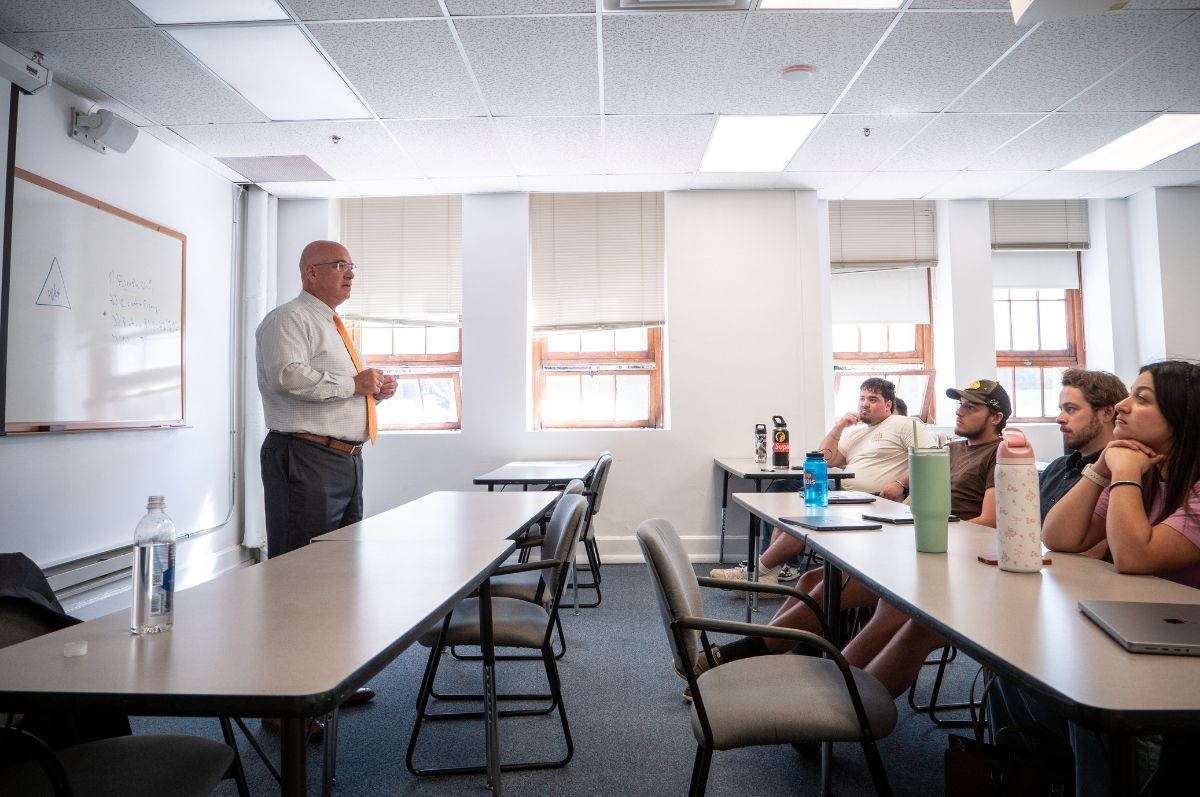

At Regis University, we understand that managing the cost of education as an international student can be challenging, but we are here to help you explore scholarship opportunities and payment options to make your education more accessible. While international students on F-1 and/or J-1 visas are legally required to demonstrate sufficient funds to cover tuition and living expenses for one full academic year, you may be eligible for merit-based scholarships to recognize your academic achievements. Our goal is to ensure that financial concerns do not hinder your academic success and personal growth at Regis.
Most foreign citizens are not eligible for federal student aid from the U.S. Department of Education. For more details, visit our Tuition and Scholarships for International Students page.
You may qualify for merit-based scholarships specific to your academic program. These are offered through the Office of Admissions or you may be eligible for specific talent-based scholarships through a specific department. Additionally, you should consider applying for applicable external scholarships. International students may also consider International Private Student Loans. Many private student loan options will require a cosigner who is a U.S. Citizen. If you have questions regarding merit scholarship opportunities, please contact Admissions.
Regis University offers department-funded student employment to international students in the state of Colorado. These department-funded opportunities are highly competitive and are strongly regulated, as they should not be utilized as a primary source of income for international students. For more information on employment opportunities and regulations, please email Lisa Hertel at lhertel@regis.edu.
International students are allowed to register for courses but must pay for them by the tuition due date. If tuition is not paid by the due date, international students are automatically dropped from their courses. Email reminders about the tuition due date are sent to international students as a courtesy.
No, international students are not charged a late fee; you will be dropped from your course(s) if your tuition payment is not completed on or before the due date.
Simone Bisen, India, M.S. Information Systems, 2026My education at Regis has been nothing short of transformative. The curriculum is both challenging and fulfilling, designed to prepare students for real-world scenarios. The small class sizes mean I get to interact directly with professors and fellow students, fostering meaningful discussions. My favorite course so far has been the BI course, where I've learned about analysis and labs. The hands-on learning opportunities and collaborative projects have enhanced my understanding and confidence in my field.
Contact Our International Admissions Experts
Phone: 303.458.4900
Toll-free: 800.944.7667
Email: ruadmissions@regis.edu

To obtain your initial F-1 student visa, your first step will be to apply to Regis. Once you are accepted, Regis will issue your Form I-20 and email it to you. See more visa information.

The International Student Club aims to support international students by offering peer assistance in social, academic and mental well-being, helping both current and incoming students navigate their experience at Regis University. All students are welcome!

The Community for Belonging fosters an inclusive and just campus environment rooted in Jesuit values, promoting collaboration, education, and dialogue to support students, faculty, and staff in achieving inclusive excellence.

The Center for Career and Professional Development at Regis empowers international students by providing guidance, resources, and opportunities to help them explore career paths, clarify goals and confidently pursue their academic and professional aspirations.
Sign up to receive important updates about key points leading up to the start of your first year at Regis University. We'll help you keep up with important steps in the admissions process, financial aid opportunities and housing deadlines. Get the details you need to make your transition to campus smooth and successful–straight to your inbox!


Applying to Regis as an international student requires some additional steps, but don't worry, we're here to help you every step of the way! This helpful application checklist will walk you through everything you need to do. Be sure to get started as early as possible. Depending on your country of origin, getting all your documentation in place may be very quick, or it may take several months.
Complete the application and all application requirements for your program. Examples of application requirements might include an essay, resume or letters of recommendation. You can find the application requirements for your specific program under “How to Apply” on the program webpage.
Please note that only some of our programs are taught on campus and are eligible for the issuance of a student visa. View this list of on-campus programs that qualify to choose a program with on-campus classes.*
*This list is subject to change. Please contact your admissions counselor to confirm whether your program of interest qualifies.
You must submit a financial statement showing that you can pay all expenses for your first year of study on campus. The statement should be an unaltered color copy of an original bank statement that is stamped, dated, and signed by the bank official. Your financial statement must include:
If a sponsor or organization will pay for part or all of your expenses during your first year as an on-campus Regis student, you must also submit an Affidavit of Support form.
*Dollar amounts are subject to change. Check with your admissions counselor to verify the amount required.
Submit a clear, color copy of your passport front and back. Email it to ruadmissions@regis.edu.
Submit secondary school transcripts and/or university and college transcripts. If you are applying for a graduate degree, please submit undergraduate degree transcripts. If the Regis program you are applying to requires prerequisite courses, these must be listed on your transcripts.
An official English translation is required for transcripts that are not in English. Applicants must submit both original transcripts and official English translations.
Official transcripts and translations should be mailed to:
Regis University
Office of Admissions
Mail Code: A-12
3333 Regis Blvd.,
Denver, CO 80221-1099
Electronic transcripts may be sent to: ruapps@regis.edu
Regis University does not offer in-house English as a Second Language (ESL) programming at this time, however, we provide multiple avenues for International students to provide proof of English proficiency including any of the following*:
*The admissions team has the discretion to request additional documentation or another test score to qualify proficiency.
Complete the application and all application requirements for your program. Examples of application requirements might include an essay, resume or letters of recommendation. You can find the application requirements for your specific program under “How to Apply” on the program webpage.
Please note that only some of our programs are taught on campus and are eligible for the issuance of a student visa. View this list of on-campus programs that qualify to choose a program with on-campus classes.*
*This list is subject to change. Please contact your admissions counselor to confirm whether your program of interest qualifies.
You must submit a financial statement showing that you can pay all expenses for your first year of study on campus. The statement should be an unaltered color copy of an original bank statement that is stamped, dated, and signed by the bank official. Your financial statement must include:
If a sponsor or organization will pay for part or all of your expenses during your first year as an on-campus Regis student, you must also submit an Affidavit of Support form.
*Dollar amounts are subject to change. Check with your admissions counselor to verify the amount required.
Submit a clear, color copy of your passport front and back. Email it to ruadmissions@regis.edu.
Submit secondary school transcripts and/or university and college transcripts. If you are applying for a graduate degree, please submit undergraduate degree transcripts. If the Regis program you are applying to requires prerequisite courses, these must be listed on your transcripts.
An official English translation is required for transcripts that are not in English. Applicants must submit both original transcripts and official English translations.
Official transcripts and translations should be mailed to:
Regis University
Office of Admissions
Mail Code: A-12
3333 Regis Blvd.,
Denver, CO 80221-1099
Electronic transcripts may be sent to: ruapps@regis.edu
Regis University does not offer in-house English as a Second Language (ESL) programming at this time, however, we provide multiple avenues for International students to provide proof of English proficiency including any of the following*:
*The admissions team has the discretion to request additional documentation or another test score to qualify proficiency.
If you are an international student studying on campus, you are required to bring your immigration documents including your passport, visa, I-20 and transcripts. Learn more about the visa and immigration process.

We are excited to have you join us! Whether it is your first time in the U.S., in Denver, or at Regis University, know what to expect before you arrive on our campus.

Whether we meet up online or on campus, we're excited to show you all that Regis has to offer–from our nationally-ranked academic programs and dedicated faculty, to our diverse student body and unique campus culture.

Transferring to Regis is easy! If you want to transfer from another U.S. college or university, and you will be studying on campus, you will need to send us some additional items.
Questions about how to apply? Not sure what you want to study? Need more information about financial aid, housing or just Regis in general? That’s why we’re here! Our admissions team can provide answers to all your questions and guide you along your academic journey.